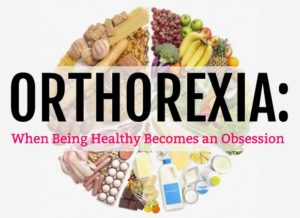
In today's society, health and wellness trends are more popular than ever. From gluten-free to keto, the pursuit of the "perfect" diet has become a prominent aspect of modern life. However, there's an emerging concern regarding an unhealthy obsession with eating clean, which can evolve into a condition known as orthorexia. Unlike other eating disorders that focus on food quantity, orthorexia is defined by an obsession with the quality and purity of the food we consume. This blog will explore the nature of orthorexia, its symptoms, and its potential impacts on physical and mental health.
What is Orthorexia?
Orthorexia, coined by Dr. Steven Bratman in 1997, combines the Greek words "orthos," meaning "correct" or "right," and "orexis," meaning "appetite." The term refers to an obsessive focus on eating only foods that are considered "pure," "clean," or "healthy." While the desire to eat healthy is normal, people with orthorexia take this to extremes, often avoiding entire food groups or whole categories of food for fear they may be harmful.
Unlike other eating disorders such as anorexia or bulimia, orthorexia does not involve concerns over body image. Instead, it is centered on a moralistic approach to eating, with the individual believing that they must adhere strictly to certain "clean" food rules in order to be healthy.
Key Symptoms of Orthorexia
Orthorexia is often not easily recognized, as it can resemble healthy eating habits at first glance. However, when these habits interfere with daily life, health, and emotional well-being, they may signal a deeper issue. Here are the most common signs of orthorexia:
1. Obsessive Thoughts About Food
A person with orthorexia spends excessive time planning, researching, and thinking about what to eat. The obsession with food purity dominates their thoughts, often leading to feelings of anxiety when it comes to eating foods outside their self-imposed "clean" guidelines.
2. Strict Dietary Rules
Individuals with orthorexia often impose rigid rules on themselves regarding what foods are acceptable. These might include eliminating processed foods, dairy, sugar, fats, or foods that contain additives and preservatives. The individual may also obsess over the nutritional content and sourcing of foods, ensuring they are organic, free-range, or locally sourced.
3. Emotional Distress Over Food Choices
Eating something that doesn't align with the orthorexic diet can lead to extreme guilt, shame, or anxiety. This distress often prompts the person to engage in compensatory behaviors, like fasting or excessive exercise, to "make up" for eating an "unhealthy" food.
4. Social Isolation
As the need to control food choices intensifies, individuals may begin to withdraw from social settings that involve eating. They might avoid dinner parties, social gatherings, or family meals due to the fear of consuming foods that do not meet their stringent criteria. This isolation can affect relationships and lead to feelings of loneliness.
5. Physical Health Consequences
Despite the focus on healthy eating, orthorexia can actually lead to nutritional imbalances and deficiencies. The elimination of entire food groups can result in a lack of essential vitamins, minerals, and macronutrients, affecting both physical and mental health. Some may experience fatigue, weakened immunity, or digestive issues as a result of these dietary restrictions.
Causes of Orthorexia
While the exact cause of orthorexia remains unclear, several factors may contribute to the development of this disorder. These factors may include:
- Cultural Influence: Our society's increasing obsession with health and fitness, coupled with the rise of social media influencers promoting "clean" living, can create pressure to adhere to extreme dietary standards.
- Perfectionism: Individuals with perfectionist tendencies may be more susceptible to developing orthorexia, as they feel the need to meet strict ideals, including in their dietary choices.
- Psychological Factors: For some, the obsession with healthy eating can stem from underlying anxiety, control issues, or a desire to find structure in their life. The food becomes a way to manage these emotional triggers.
How Orthorexia Affects Mental and Physical Health
While the intention behind orthorexia is often to improve health, the obsession with food purity can have negative effects on both mental and physical well-being.
Mental Health Impact
Orthorexia can lead to:
- Anxiety and Depression: Constantly worrying about food choices can cause stress, anxiety, and in some cases, depression. Feelings of guilt, shame, and failure when breaking the self-imposed food rules can exacerbate these mental health issues.
- Social Isolation: The avoidance of social settings that involve food may lead to loneliness and difficulty maintaining personal relationships. This isolation can worsen emotional well-being, contributing to a vicious cycle.
Physical Health Impact
Though individuals with orthorexia may appear to be in good health due to their focus on eating clean, their restrictive diets can lead to:
- Nutrient Deficiencies: Eliminating entire food groups or focusing on a narrow range of foods can cause deficiencies in essential nutrients like vitamins, minerals, and protein.
- Weakened Immune System: A lack of variety in the diet can impair the body's ability to defend itself against illness.
- Digestive Issues: A limited diet may result in digestive imbalances, such as bloating, constipation, or gut inflammation.
Treatment for Orthorexia
If you or someone you know is struggling with orthorexia, seeking professional help is crucial. Treatment for orthorexia typically involves a combination of therapy and nutritional counseling. Here are some common approaches:
1. Cognitive Behavioral Therapy (CBT)
CBT is effective in treating orthorexia by helping individuals address the unhealthy thought patterns and behaviors that contribute to the disorder. This type of therapy can help someone reframe their beliefs about food and develop healthier eating habits.
2. Nutritional Counseling
Working with a registered dietitian can help individuals rebuild a balanced, nutrient-rich diet without fear or guilt. Nutritional counseling helps to reintroduce a variety of foods and ensures that the body gets all the necessary nutrients.
3. Support Groups
Joining a support group or working with a therapist who specializes in eating disorders can provide the emotional support needed to overcome orthorexia. Sharing experiences with others facing similar struggles can help individuals feel understood and less isolated.
Conclusion
Orthorexia is an increasingly recognized condition that takes the pursuit of healthy eating to harmful extremes. While the desire to eat nutritious foods is commendable, when it becomes an obsession that negatively affects physical health, relationships, and mental well-being, it becomes a serious concern. If you or someone you know is struggling with orthorexia, seeking professional help is crucial in developing a healthier, more balanced relationship with food.
Maintaining a healthy relationship with food is about moderation, variety, and enjoying meals without excessive fear or guilt. Finding balance is key to long-term physical and mental health.