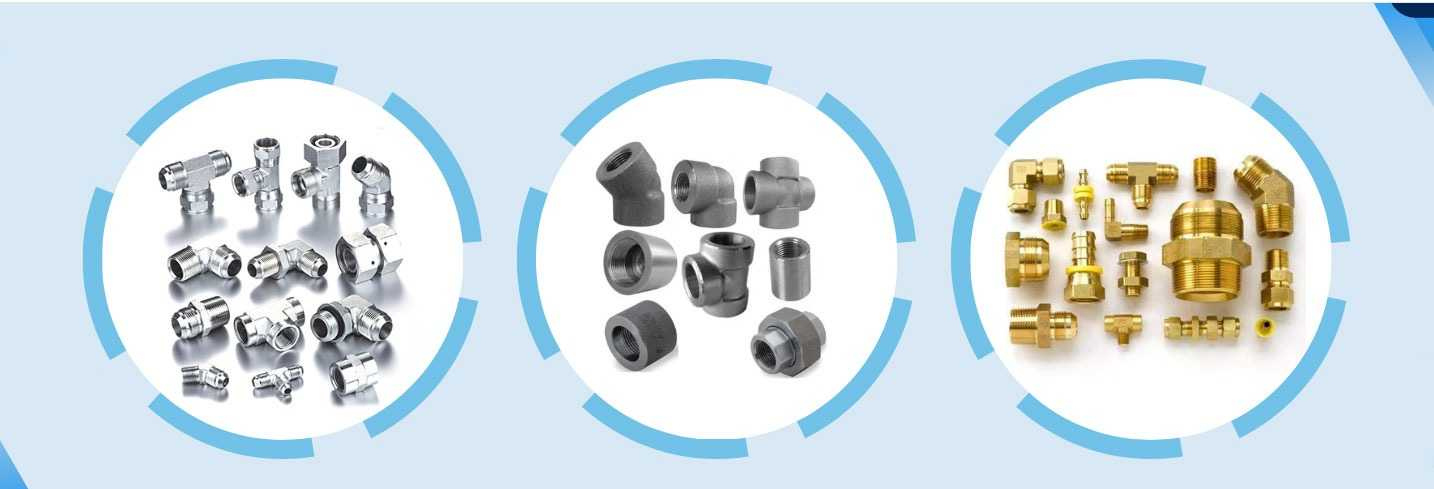
When diving into the world of hydraulic systems, understanding hydraulic fittings is crucial for ensuring system reliability and functionality. Hydraulic fittings serve as essential components that help connect different parts of a hydraulic system, enabling the safe and efficient flow of hydraulic fluids. Whether you're a beginner looking to understand the fundamentals or someone with prior knowledge who wants to deepen your understanding, this blog will walk you through everything you need to know about hydraulic fittings.
What Are Hydraulic Fittings?
Hydraulic fittings are components used to connect and seal different parts of a hydraulic system, such as pipes, hoses, and tubes. They are designed to withstand high-pressure conditions, ensuring that fluid remains contained within the system without leaks. These fittings are made of various materials like steel, brass, or stainless steel, which provide strength and durability.
In a hydraulic system, hydraulic fittings ensure that fluid is transported safely between components. They are used to connect hoses to valves, cylinders to pipes, or any other combination of hydraulic components. These fittings come in different types, sizes, and configurations to meet the diverse needs of various hydraulic systems.
Hydraulic fittings are crucial for system functionality because they help maintain system integrity under high pressure, preventing the loss of fluid and ensuring smooth operation. Without the right hydraulic fittings, a hydraulic system could fail due to leaks or pressure loss, leading to system inefficiency and even damage.
Types of Hydraulic Fittings
Hydraulic fittings come in a wide variety of types, each designed for specific purposes. Here’s an overview of the most common types:
-
Threaded Fittings
These are the most common type of hydraulic fittings. Threaded fittings are designed to screw into place and form a tight seal. They can be used to connect different pipe sizes or connect hoses to pipes. Threaded fittings typically come in two configurations: male and female threads. -
Flared Fittings
Flared fittings have a cone-shaped end that allows them to fit securely into corresponding flare nuts. These fittings are often used in high-pressure systems where a tight seal is essential. Flared fittings are common in automotive and aerospace applications. -
Compression Fittings
Compression fittings are commonly used in systems where tubes need to be connected or joined. They use a compression nut and ferrule to provide a tight, leak-free seal. These fittings are easy to install and are widely used in applications involving small diameter tubing. -
Quick-Connect Fittings
As the name suggests, quick-connect fittings allow for the rapid connection and disconnection of hydraulic components. They are widely used in applications where components need to be frequently removed or replaced. These fittings are available in various sizes and configurations, making them versatile for different applications. -
Banjo Fittings
Banjo fittings have a unique design, resembling the shape of a banjo. These fittings allow for a flexible connection between hydraulic components, typically in situations where space is tight or the connection needs to be angled. -
Barbed Fittings
Barbed fittings feature ridged or "barbed" ends that allow hoses to be securely attached to the fitting. These fittings are used to connect hoses to other components and are designed for low-pressure applications.
How Hydraulic Fittings Work
Hydraulic fittings work by creating a tight seal between the connected components, ensuring that hydraulic fluid flows efficiently and without leakage. The hydraulic fluid is typically under high pressure, which means the fittings must be strong enough to contain the pressure without failing.
Hydraulic fittings accomplish this by using threads, seals, or flares to ensure a tight connection. Depending on the type of fitting, the seal may be created through compression, threading, or even a rubber gasket. A well-fitted hydraulic system ensures that fluid is transported effectively, maintaining pressure and flow throughout the system.
Materials Used in Hydraulic Fittings
The material used for hydraulic fittings is essential for their durability and performance. Here are some common materials used:
-
Steel
Steel is the most widely used material for hydraulic fittings. It provides strength and resistance to wear and tear, making it ideal for high-pressure applications. Steel fittings are commonly used in industries like construction, mining, and manufacturing. -
Brass
Brass fittings are often used in lower-pressure hydraulic systems. They offer good resistance to corrosion and are suitable for systems where the fluid being transported isn’t too aggressive. -
Stainless Steel
Stainless steel fittings are used in applications where corrosion resistance is critical. These fittings are often used in environments where the hydraulic system is exposed to harsh chemicals or moisture, such as in food processing, pharmaceutical, or marine applications. -
Aluminum
Aluminum fittings are lightweight and resistant to corrosion. They are ideal for use in applications where weight is a concern, such as in aerospace or automotive systems.
Choosing the Right Hydraulic Fitting
Selecting the right hydraulic fitting is essential for ensuring the safe and efficient operation of your hydraulic system. Here are some factors to consider when choosing hydraulic fittings:
-
Pressure Rating
Different hydraulic fittings have different pressure ratings. It’s important to choose fittings that can handle the pressure of your specific system to prevent failure. -
Material Compatibility
The material of the hydraulic fitting must be compatible with the fluids in your system. If the wrong material is used, it could lead to corrosion, leaks, or failure. -
Size and Configuration
Hydraulic fittings come in various sizes and configurations. It's important to select the correct size and type of fitting to ensure a proper seal and connection. -
Temperature Resistance
Some hydraulic systems operate in extreme temperatures. In such cases, it's crucial to choose hydraulic fittings that can handle high or low temperatures without compromising their performance. -
Ease of Installation
The ease of installation can vary depending on the type of fitting. Some fittings require special tools or expertise for installation, while others can be installed quickly without the need for specialized equipment.
Common Problems with Hydraulic Fittings
Even the most reliable hydraulic fittings can develop issues over time. Some common problems include:
-
Leaks
Leaks are the most common issue with hydraulic fittings. They can occur due to worn-out seals, incorrect installation, or using the wrong type of fitting for the system. Regular maintenance and inspection can help identify and prevent leaks before they become serious problems. -
Corrosion
Corrosion is another common issue, especially in systems that operate in harsh environments. Using fittings made from corrosion-resistant materials can help prevent this problem. -
Wear and Tear
Over time, hydraulic fittings can become worn out due to constant pressure and friction. It's essential to regularly inspect fittings for signs of wear and replace them as necessary. -
Incorrect Installation
Incorrect installation of hydraulic fittings can lead to leaks, system failure, or damage to other components. Always ensure that fittings are properly installed and tightened according to manufacturer specifications.
Maintenance and Inspection of Hydraulic Fittings
Regular maintenance and inspection of hydraulic fittings are crucial to keeping your hydraulic system running smoothly. Here are some tips for maintaining hydraulic fittings:
-
Check for Leaks
Regularly inspect all hydraulic fittings for leaks. Even small leaks can lead to significant fluid loss and reduced system performance. -
Inspect Seals
The seals in hydraulic fittings can wear out over time. Inspect seals regularly and replace them if they show signs of wear or damage. -
Tighten Connections
Over time, hydraulic fittings can become loose due to vibration and pressure changes. Regularly check that all fittings are properly tightened to prevent leaks. -
Clean Fittings
Dirt and debris can accumulate around hydraulic fittings, leading to blockages or damage. Keep fittings clean by regularly wiping them down and inspecting for signs of contamination.
FAQs About Hydraulic Fittings
What are the most common types of hydraulic fittings?
The most common types of hydraulic fittings include threaded, flared, compression, quick-connect, banjo, and barbed fittings. Each type is designed for specific applications based on factors such as pressure, fluid type, and system design.
How do I choose the right hydraulic fitting for my system?
When choosing a hydraulic fitting, consider factors such as pressure rating, material compatibility, size and configuration, temperature resistance, and ease of installation. Always ensure that the fitting is compatible with your system’s requirements.
How can I prevent leaks in hydraulic fittings?
To prevent leaks, regularly inspect fittings for wear and tear, ensure they are properly installed, and use the correct type of fitting for your system. Additionally, make sure to replace seals and fittings that show signs of damage.
Conclusion
Understanding hydraulic fittings is crucial for anyone working with hydraulic systems. Whether you're designing a new system, maintaining an existing one, or troubleshooting a hydraulic issue, knowing how hydraulic fittings work and how to choose the right ones can make a significant difference in the performance and longevity of your system.
By following the tips and guidelines outlined in this guide, you can ensure that your hydraulic system operates smoothly, efficiently, and safely. Regular maintenance, proper installation, and choosing the right hydraulic fittings for your system’s needs are key to preventing issues and maximizing system performance.