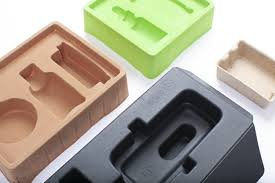
The packaging industry is undergoing a significant transformation as environmental concerns continue to rise. Traditional plastic packaging has been a major contributor to pollution and waste, prompting businesses to seek more sustainable alternatives. Among these solutions, molded pulp packaging has emerged as a frontrunner. Molded pulp packaging manufacturers are leading the charge in this revolution, offering eco-friendly, recyclable, and biodegradable alternatives to plastic. This article explores the ways in which molded pulp packaging manufacturers are changing the future of packaging, from sustainability to innovation and efficiency.
The Rise of Molded Pulp Packaging
Molded pulp packaging manufacturers are experiencing a surge in demand as businesses and consumers alike demand more sustainable solutions. Unlike conventional plastic or foam packaging, molded pulp is made from natural fibers such as recycled paper, cardboard, or agricultural waste. This process makes the material biodegradable and recyclable, significantly reducing its environmental footprint. As plastic pollution becomes an increasingly urgent global issue, the packaging industry is pivoting toward alternatives that align with sustainability goals. Molded pulp is gaining traction across various sectors, from electronics and food industries to cosmetics and pharmaceuticals.
One of the key reasons molded pulp packaging is gaining popularity is its versatility. It can be molded into a variety of shapes and sizes, making it suitable for packaging a wide range of products. Whether it’s a protective insert for fragile items, a tray for fresh produce, or a clamshell box for take-out food, molded pulp can be customized to meet specific needs. As more molded pulp packaging manufacturers enter the market, the innovation in design and application is accelerating, further expanding the potential of this eco-friendly material.
Environmental Benefits of Molded Pulp Packaging
The environmental benefits of molded pulp packaging are one of the main driving forces behind its rise. As global awareness of the environmental impact of plastic waste grows, industries are under increasing pressure to adopt sustainable practices. Molded pulp packaging manufacturers have stepped up to meet this demand by providing products that are not only eco-friendly but also cost-effective. The production of molded pulp involves using recycled materials, which helps reduce the need for virgin resources. By repurposing paper and cardboard waste, manufacturers are contributing to a circular economy, where materials are reused and recycled rather than discarded.
Additionally, molded pulp packaging is biodegradable and compostable. Unlike plastic, which can take hundreds of years to decompose, molded pulp will break down naturally when exposed to the environment, making it an ideal choice for industries aiming to reduce waste and carbon emissions. Furthermore, the production of molded pulp requires less energy compared to traditional plastic manufacturing, contributing to a reduction in overall greenhouse gas emissions. These environmental benefits have prompted governments, consumers, and businesses to shift towards more sustainable packaging solutions, with molded pulp emerging as a leading alternative.
Innovation and Technological Advancements in Molded Pulp Packaging
Molded pulp packaging manufacturers are not only embracing sustainability but also pushing the boundaries of innovation. Technological advancements in the manufacturing process have made it possible to produce molded pulp packaging that is stronger, lighter, and more flexible than ever before. Modern techniques allow for precise molding, which enhances the ability to create custom packaging solutions that offer superior protection and functionality. Manufacturers are continuously improving the durability of molded pulp, ensuring that it can withstand the rigors of shipping and handling while still maintaining its eco-friendly properties.
One of the most exciting innovations in molded pulp packaging is the development of multi-layered pulp products. These products incorporate different layers of pulp to provide enhanced strength, moisture resistance, and cushioning. For example, some molded pulp packaging now includes a moisture barrier, making it ideal for packaging food items that require freshness and protection from contaminants. As the demand for sustainable packaging grows, molded pulp packaging manufacturers are investing in research and development to create more advanced, durable, and cost-effective solutions. These innovations will likely play a critical role in shaping the future of packaging.
The Role of Molded Pulp Packaging Manufacturers in the Circular Economy
Molded pulp packaging manufacturers play a crucial role in supporting the circular economy by producing packaging solutions that can be reused, recycled, and composted. In a circular economy, materials are kept in use for as long as possible, reducing waste and the consumption of finite resources. By using recycled paper and cardboard as the base material, molded pulp packaging manufacturers are helping to close the loop on packaging waste. Instead of contributing to landfill overflow, molded pulp packaging is designed to be recycled or composted after use, contributing to a more sustainable lifecycle.
In addition to offering recyclable products, many molded pulp packaging manufacturers are adopting closed-loop systems in their operations. These systems involve collecting used packaging, recycling it, and reusing the materials to produce new packaging. By integrating these systems into their business models, manufacturers are reducing their environmental impact and promoting a more sustainable approach to packaging production. This circular approach aligns with global sustainability goals and positions molded pulp packaging as a key player in the transition to a greener future.
The Future of Molded Pulp Packaging
As consumer preferences shift toward sustainability, molded pulp packaging manufacturers are poised to become leaders in the packaging industry. The future of molded pulp packaging looks promising, with continued advancements in materials, manufacturing processes, and design. The increasing demand for eco-friendly packaging solutions from industries such as e-commerce, foodservice, and electronics is expected to drive growth in the molded pulp sector. Manufacturers will continue to refine their processes to meet the growing need for customized, durable, and cost-effective packaging solutions.
Furthermore, governments and regulatory bodies are introducing stricter regulations on single-use plastics, which will likely accelerate the adoption of molded pulp packaging. As businesses look for alternatives to plastic packaging, molded pulp will become an even more viable and attractive option. The continued growth of the molded pulp packaging industry will contribute to a more sustainable global packaging ecosystem, helping to reduce waste, protect natural resources, and mitigate environmental damage. With innovations in design and material science, molded pulp packaging manufacturers are shaping the future of packaging for a more sustainable world.
Conclusion
Molded pulp packaging manufacturers are at the forefront of a packaging revolution that is reshaping industries worldwide. Through their commitment to sustainability, innovation, and the circular economy, they are providing businesses with eco-friendly alternatives to plastic packaging. The continued growth of this industry, driven by advancements in materials and manufacturing processes, is paving the way for a more sustainable future. As the world moves toward greener solutions, molded pulp packaging will play a vital role in reducing waste, conserving resources, and meeting the increasing demand for environmentally responsible packaging solutions. Molded pulp packaging manufacturers are not just changing packaging—they are revolutionizing the way the world thinks about sustainability and waste reduction.